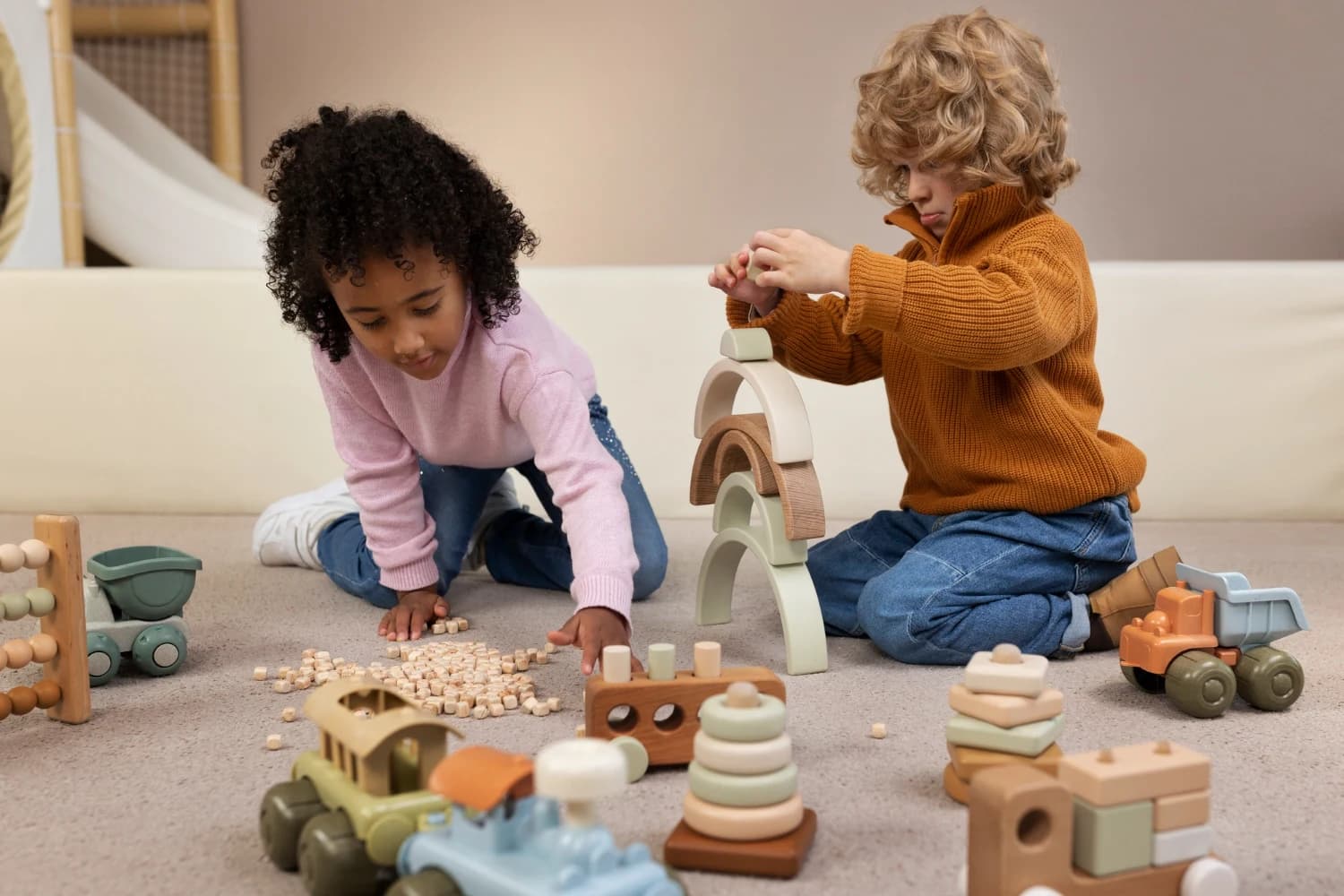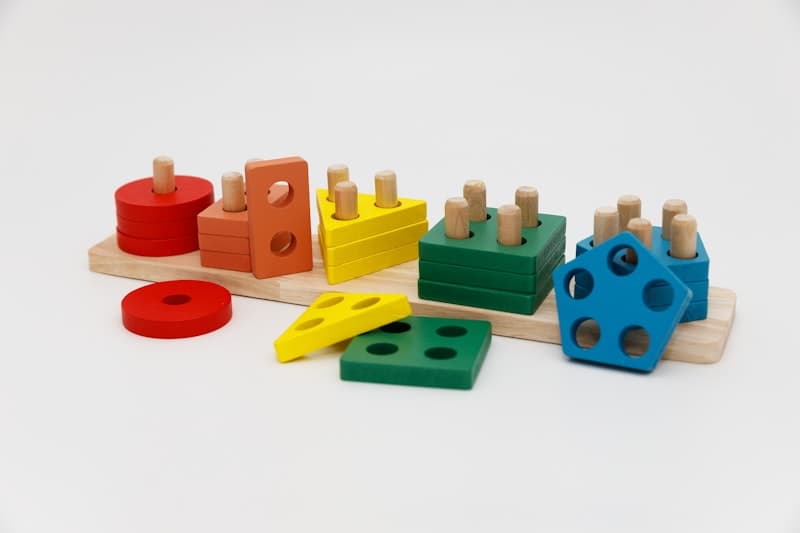
Why Every Prototype Gets Dropped
The drop test is not the last thing we do to a piece. It is usually the second.
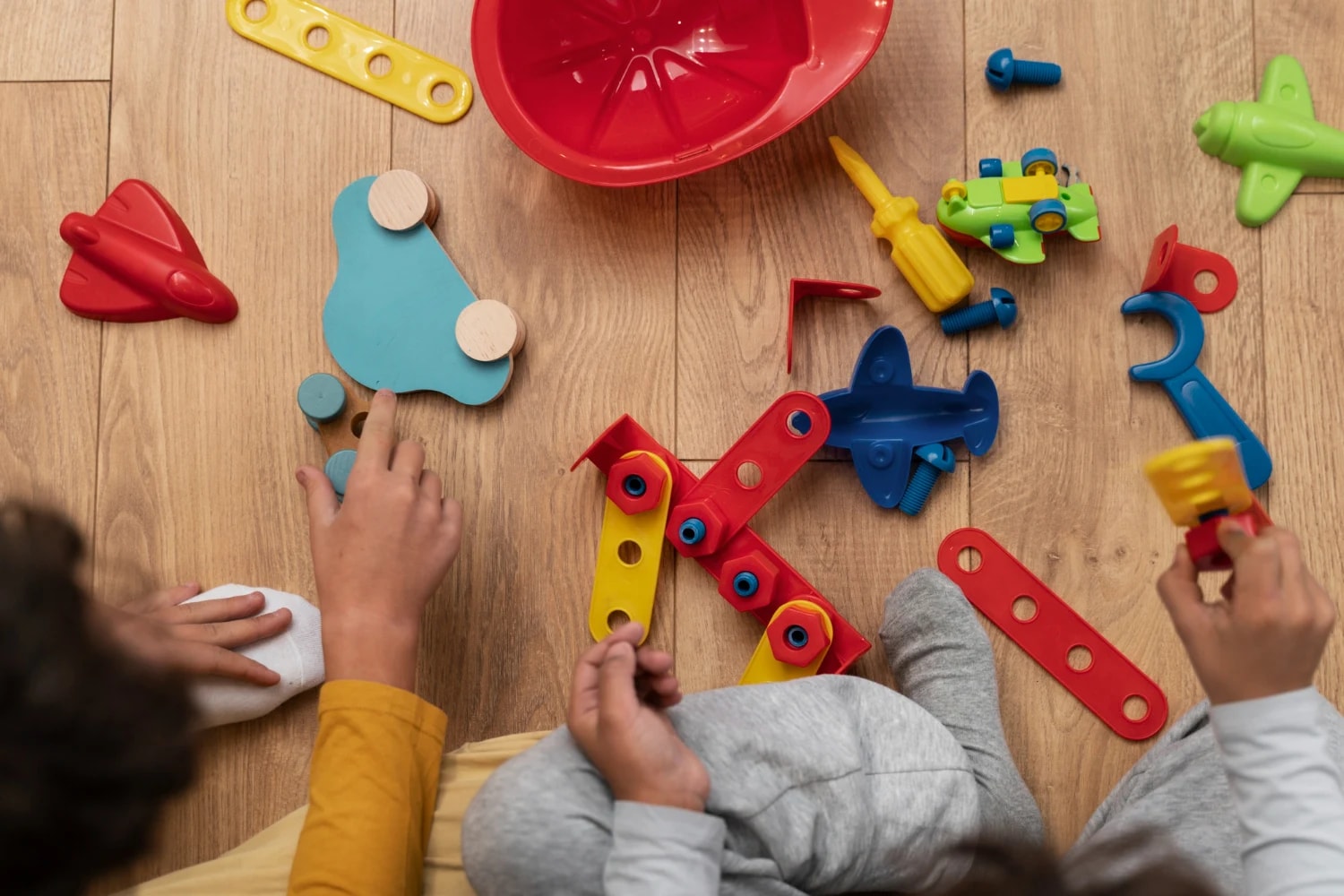
There is a version of prototyping where the first model goes into a cabinet and gets admired. We have never worked that way. The first one off the bench gets handled, pulled, sat on, and then dropped onto the floor from about the height of a kitchen table, which is roughly the height most things leave a child's hand.
It feels wasteful the first few times. You spend a week getting a shape right and then you break it on purpose. But a piece that survives being made is not the same as a piece that survives being owned, and the gap between those two is where most of the work actually is.
What the drop tells you is rarely what you expected. A joint you worried about holds fine and a curve you never thought about splits along the grain. Sometimes the toy is undamaged and the finish is not, which is its own kind of failure — nobody wants to hand a child something that looks second-hand after a fortnight.
So the piece goes back to the bench, and the part that broke gets thicker, or rounder, or stops being a separate part at all. Then it gets dropped again. Most things go around that loop more than once, and the ones that go around it most are usually the ones we end up keeping.